
1. Poor Camera Placement
Main Reasons
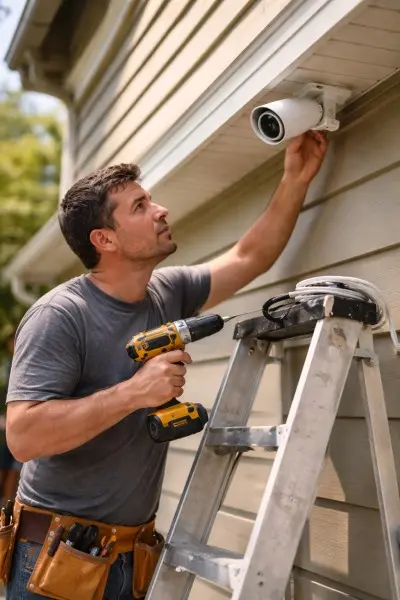
One of the biggest reasons security cameras fail is incorrect placement.
Common mistakes include:
- Cameras installed too high or too low
- Important areas left uncovered
- Cameras pointed directly into sunlight or glare
- Wide angles that capture too much background and not enough detail
When a camera isn’t positioned correctly, it may record movement—but not usable evidence. Faces become blurry, license plates unreadable, and key moments are missed.
Proper placement is more important than the camera brand itself.
2. Cheap or Low-Quality Equipment
Not all security cameras are created equal. Low-cost systems often struggle with:
- Poor night vision
- Motion blur
- Weak infrared performance
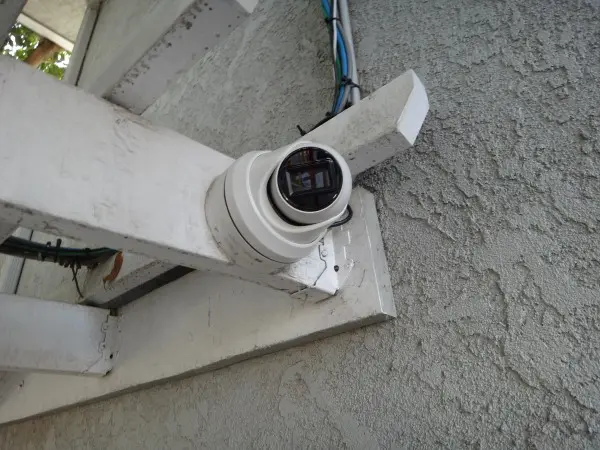
- Limited durability outdoors
These systems may work fine during the day but fail at night or in bad weather—exactly when crimes are more likely to happen.
High-quality cameras are designed to handle low light, fast movement, and continuous operation without failure.
3. Inadequate Network or Power Setup
Many modern camera systems rely on:
- Stable internet connections
- Proper wiring
- Reliable power sources
If the network isn’t configured correctly, cameras may:
- Disconnect without warning
- Stop recording
- Fail to send alerts
- Lose footage during outages
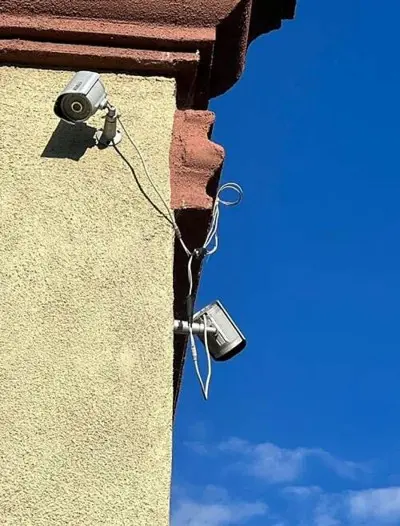
Wireless cameras are especially vulnerable when signal strength is weak or interference is present. A professional setup ensures the system remains stable when it’s under stress.
4. Incorrect Recording Settings
A camera that looks like it’s working may not actually be recording properly.
Common configuration issues include:
- Motion detection turned off or misconfigured
- Recording schedules set incorrectly
- Storage limits reached without alerts
- Overwritten footage before it’s reviewed
Many users assume the system is “set and forget,” only to realize later that nothing was saved.
5. No Regular Maintenance or Testing
Security cameras aren’t truly “install once and forget forever.”
Over time:
- Lenses get dirty
- Angles shift
- Cables loosen
- Firmware becomes outdated
Without periodic checks, small issues go unnoticed until the system fails during an incident. Regular maintenance ensures your cameras are always ready when you need them.
6. Lack of Proper Training
Even the best system can fail if the user doesn’t understand how to use it.
Common problems include:
- Not knowing how to access recordings
- Missing critical alerts
- Incorrectly reviewing footage
- Not knowing how to export evidence
Professional installations should always include user training, so you know exactly how to use your system under pressure.
7. DIY Installation Limitations
DIY camera kits can be tempting, but they often lead to:
- Poor coverage
- Messy wiring
- Weak connections
- No long-term support
Security camera installation is part technology and part strategy. Professional installers understand how criminals think and how to design systems that actually deter and capture crime.
How to Prevent Security Camera Failure
To ensure your system works when it matters most:
- Choose commercial-grade equipment
- Install cameras strategically
- Ensure proper power and network setup
- Configure recording and alerts correctly
- Perform routine maintenance
- Get proper training on system use
- Work with experienced professionals
A well-designed security camera system doesn’t just record incidents—it prevents them.
Final Thoughts
Security cameras shouldn’t give you a false sense of safety. When installed and configured correctly, they are powerful tools for protection, evidence, and peace of mind.
If your system hasn’t been professionally installed, reviewed, or maintained, now is the time to make sure it won’t fail when you need it most.