
A security camera system is only effective when it is properly maintained and kept up to date. Regular maintenance ensures clear video footage, reliable performance, and uninterrupted protection for homes and businesses. Ignoring upkeep can lead to poor image quality, system failures, or missed security events.
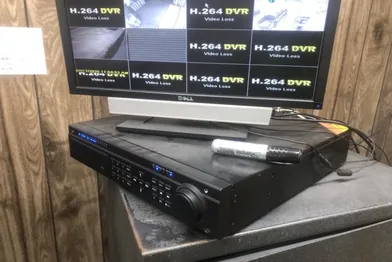
Routine maintenance should be performed at least every three to six months. During these checks, camera lenses should be cleaned to remove dust, dirt, and water spots that can blur images. Camera angles should also be verified to ensure they still cover the intended areas and have not shifted due to weather, vibrations, or accidental contact.
System software and firmware should be reviewed on a regular basis. Manufacturers frequently release updates that improve performance, fix bugs, and address security vulnerabilities. Keeping your recorder, cameras, and mobile apps updated helps protect your system from cyber threats and ensures compatibility with newer devices.
Cabling and power connections should be inspected annually. Loose connections, worn cables, or exposure to moisture can cause intermittent signal loss or complete camera failure. Early detection of these issues prevents unexpected downtime and costly repairs.
Hard drives used for recording video typically need replacement every three to five years, depending on usage and recording settings. Continuous recording systems place heavy demand on storage devices, and aging hard drives can fail without warning. Replacing them proactively helps preserve critical footage.
Upgrading your security camera system is generally recommended every five to seven years. Advances in technology such as higher resolution cameras, improved night vision, color-at-night imaging, smart motion detection, and remote access features can significantly enhance security coverage compared to older systems.
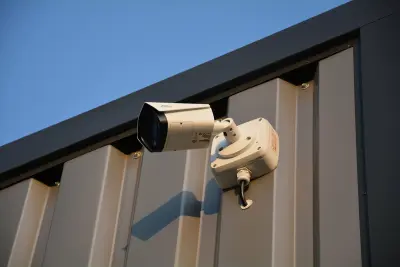
Certain signs indicate it may be time to upgrade sooner. Grainy or unclear images, limited night visibility, frequent system errors, lack of mobile access, or incompatibility with modern networks are common indicators that your system is outdated.
Businesses may require more frequent upgrades due to evolving security risks and compliance requirements. As operations grow, additional cameras, better analytics, and more robust storage may be necessary to maintain effective surveillance.
Regular maintenance combined with timely upgrades ensures your security camera system continues to deliver reliable protection. A well-maintained and modern system not only improves safety but also provides peace of mind by ensuring your property is always properly monitored.