
More police departments are now relying on security camera footage from homes and businesses to solve crimes. Video evidence helps investigators identify suspects, vehicles, and timelines faster than eyewitness reports.
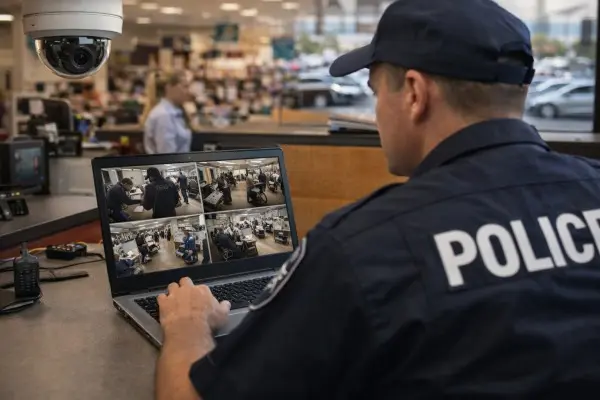
High-quality footage can capture license plates, faces, and clothing details clearly. Footage from nearby cameras often fills in gaps when public cameras are not available. Businesses play a major role by providing video from parking lots and storefronts. Residential cameras also help when incidents happen on neighborhood streets. Police frequently request footage after thefts, vandalism, or hit-and-run accidents. Clear timestamps make it easier to confirm when an event occurred. Wide-angle cameras help show movement and direction of travel. Well-placed cameras reduce blind spots that criminals try to exploit.
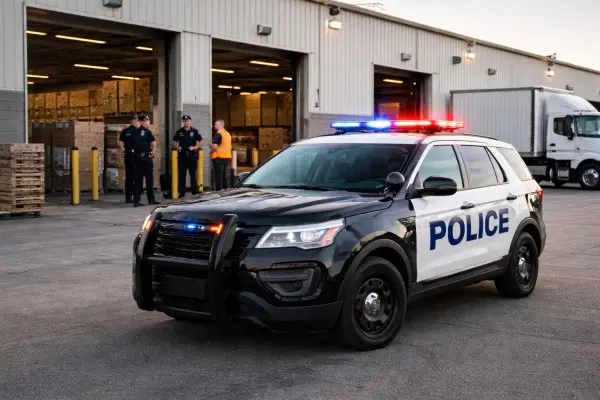
Video evidence can support insurance claims and police reports. Remote access allows owners to quickly review and share footage when needed. Proper camera resolution improves the chances of identifying key details. Night vision quality is especially important for after-hours incidents. Longer video retention helps when reports are filed days later. Secure storage ensures footage is not overwritten too soon. Police may request clips rather than full recordings to protect privacy. Having an organized system saves time during evidence requests. Modern systems make exporting video simple and fast.
Cameras act as both a deterrent and a valuable investigative tool. Communities benefit when residents and businesses work together. Reliable footage increases the chances of successful investigations. Professional installation ensures cameras capture usable angles.
Clear video can make the difference between an open case and a solved one. A properly designed camera system helps protect everyone involved.