
Installing security cameras in the right locations is just as important as choosing the right system. Proper placement of cameras improves visibility, reduces blind spots, and ensures your property is fully protected. Below are the best places to install security cameras to achieve maximum coverage and effectiveness.
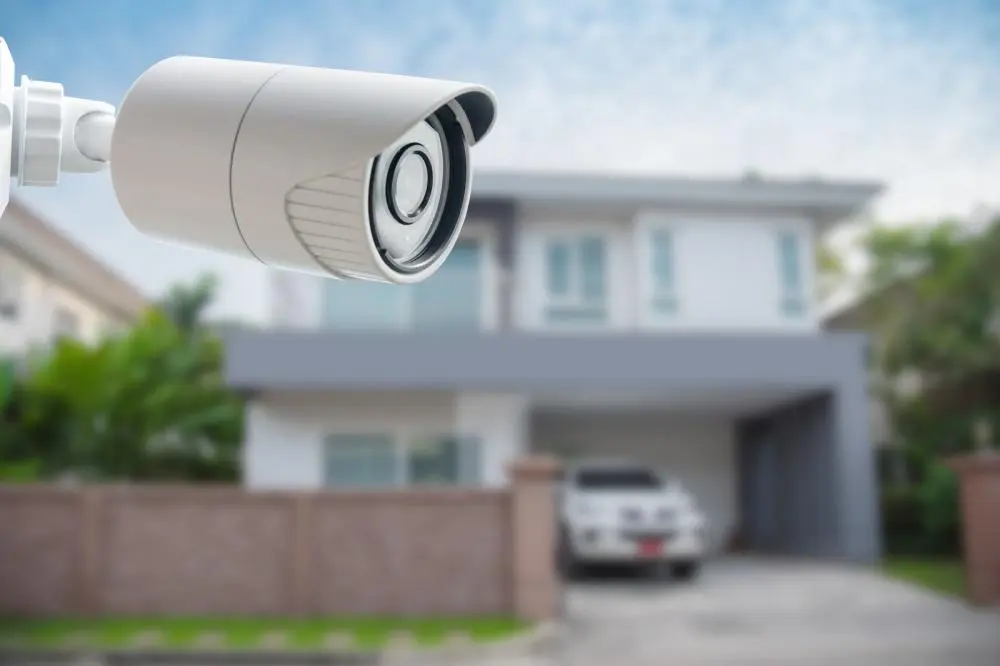
1. Front Entrance
The front door is the most common entry point for visitors—and intruders. Installing a camera here allows you to clearly capture faces, deliveries, and suspicious activity. Position the camera slightly above eye level and angled toward the doorway to avoid glare and obstruction.
2. Back Door
Back doors are often less visible from the street, making them attractive targets for break-ins. A security camera covering this area helps monitor unauthorized access and records activity that might otherwise go unnoticed.
3. Driveway and Garage Area
Cameras placed near driveways and garages can capture vehicles, license plates, and movement around parked cars. This is especially useful for identifying suspicious behavior and preventing vehicle-related crimes.
4. Side Entrances and Gates
Side doors, gates, and alleyways are frequently overlooked but provide easy access to a property. Installing cameras in these areas helps eliminate blind spots and ensures all entry points are covered.
5. Living Room or Main Interior Area
Indoor cameras placed in common areas such as the living room can monitor movement inside the home when you’re away. Avoid installing cameras in private spaces like bedrooms or bathrooms to maintain privacy.
6. Hallways and Staircases
Hallways and staircases act as natural pathways inside a home or business. Cameras in these areas can track movement between rooms and provide valuable footage if an incident occurs.
7. Backyard and Outdoor Spaces
Backyards, patios, and pools should be monitored, especially if they contain valuable equipment or access points to the home. Outdoor-rated cameras with night vision are ideal for these areas.
8. Near Windows Facing the Street
Windows that face the street or a secluded area can be vulnerable to break-ins. Placing cameras near these windows adds an extra layer of protection and helps deter criminal activity.
9. Business Entrances and Reception Areas
For commercial properties, cameras should cover main entrances, reception desks, and customer interaction areas. This improves security, helps resolve disputes, and enhances employee safety.
10. Storage Rooms and High-Value Areas
Areas containing valuable items, equipment, or inventory should always be monitored. Cameras here help prevent theft and provide evidence if losses occur.
Tips for Maximum Coverage
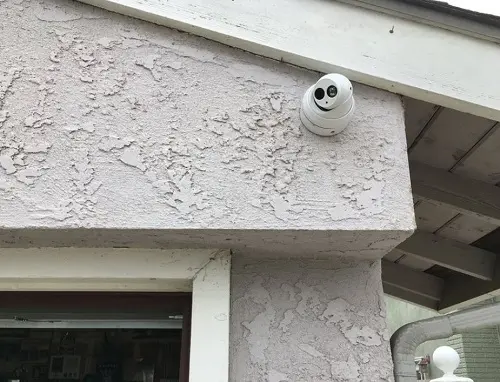
- Install cameras at 8–10 feet high to prevent tampering
- Angle cameras to avoid direct sunlight and glare
- Use wide-angle or PTZ cameras for larger areas
- Ensure proper lighting for clear night footage
Professional Installation Matters
While DIY installation is an option, professional security camera installation ensures correct placement, optimal angles, and full system integration. A professional installer can identify blind spots and customize coverage based on your property layout.
Professional Security Camera Installation
Proper camera placement is important to achieve full coverage and avoid blind spots. A professional installer evaluates entry points, lighting conditions, and viewing angles to determine the best locations for each camera. Correct positioning also helps capture clear images while keeping the system discreet and effective.
Homeowners and businesses looking for professional surveillance system installation in Santa Fe Springs, Whittier ,or security camera installation services in Pico Rivera often choose wired systems because they provide stable video recording and reliable performance day and night.
When cameras are installed at the correct height and angle, they can effectively monitor entrances, driveways, parking areas, and other critical areas around the property.
Proper camera placement is essential for capturing useful video and avoiding blind spots around entrances, parking areas, and walkways. Professional installers evaluate camera height, viewing angles, and lighting conditions to achieve the best coverage. Industry groups such as the Electronic Security Association provide guidance and training for companies that design and install electronic security systems.