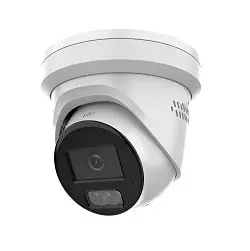
Choosing the right security camera is an important step in protecting your home or business. With many options available, understanding the key features and requirements will help you make a smart and effective decision.
1. Identify Your Security Needs
Start by determining what you want to protect. Residential properties may need cameras for entrances, driveways, or backyards, while businesses often require coverage for parking lots, offices, or storage areas. Knowing the purpose helps narrow down the best camera type.
2. Indoor vs. Outdoor Cameras
Indoor cameras focus on monitoring activity inside your space, while outdoor cameras are built to withstand weather conditions such as rain, heat, and dust. Outdoor models usually include weatherproof housings and night vision for 24/7 protection.
3. Camera Resolution and Image Quality
Higher resolution cameras provide clearer images and more detail. HD or 4K cameras are ideal for identifying faces, license plates, and other important details. Better image quality ensures reliable evidence when needed.
4. Night Vision and Low-Light Performance
A good security camera should perform well in low-light conditions. Infrared or color night vision allows you to monitor areas even in complete darkness, improving safety after hours.
5. Field of View and Coverage Area
Cameras with a wide field of view can cover larger areas with fewer devices. PTZ (Pan-Tilt-Zoom) cameras offer flexible movement, allowing you to adjust angles and zoom in on specific areas remotely.
6. Wired vs. Wireless Systems
Wired cameras offer stable connections and are ideal for permanent installations. Wireless cameras are easier to install and provide flexibility, making them a popular choice for homes and small businesses.
7. Smart Features and Remote Access
Modern security cameras include smart features such as motion detection, mobile alerts, and remote viewing through smartphones or computers. These features allow you to monitor your property anytime, from anywhere.
8. Storage Options
Choose between local storage (DVR or NVR systems) and cloud storage. Local storage offers full control, while cloud storage provides easy access and backup protection in case of device damage or theft.
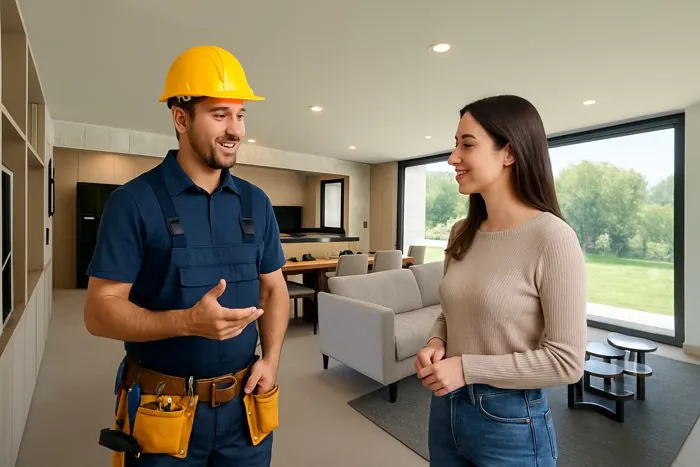
9. Professional Installation vs. DIY
Professional installation ensures correct camera placement, proper wiring, and optimal performance. DIY systems can be cost-effective but may require technical knowledge to achieve the best results.
Conclusion
Understanding how to choose the right security camera helps you create a reliable and effective security system. By considering camera type, image quality, smart features, and installation options, you can protect your property with confidence and peace of mind.