
Choosing the Right Security Camera Resolution
Choosing the right security camera resolution is one of the most important decisions when planning a surveillance system. Higher resolution does not always mean better security if it is not matched to the right environment and the correct lens size. Understanding the differences between 2MP, 4MP, and 4K cameras, along with common lens options such as 2.8 mm (around 90 degrees), 4 mm, and 6 mm, can help you avoid overspending or under-protecting your property.
Resolution determines how much detail a camera can capture, while the lens affects the viewing angle and how much area the camera can cover. For example, a 2.8 mm lens usually provides a wider view, which is useful for monitoring entrances, yards, or parking areas, while larger lenses provide a narrower view with better detail at longer distances. The right choice depends on distance, lighting conditions, and what you need to identify.
Faces, license plates, and fine details usually require the right combination of resolution and lens size. General monitoring and motion detection can often work well with lower resolution cameras and wider viewing angles. Each camera setup serves a different purpose, and selecting the correct combination helps ensure reliable and useful video coverage. For example a wide lens such as 2.8 mm may be ideal for monitoring a front yard or parking area, while a narrower lens can be used to capture more detail at a gate or driveway.
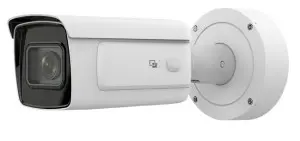
A 2MP camera, also known as 1080p, is considered the industry standard for basic surveillance.
It provides clear video for small areas such as entry doors, hallways, and indoor spaces.
2MP cameras are cost-effective and reliable for everyday monitoring.
They work well when the camera is placed close to the subject.
This resolution is ideal for homeowners on a budget.
It is also suitable for small offices and apartments.
2MP cameras require less storage space.
They use less network bandwidth, making them easier to manage.
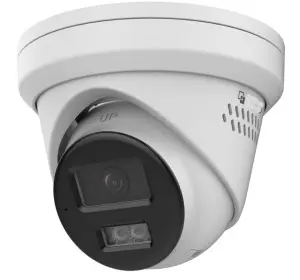
A 4MP camera offers noticeably more detail than 2MP.
It provides sharper images and better digital zoom capability without distortion.
4MP cameras are ideal for medium-sized areas.
They perform well in parking lots, storefronts, and driveways.
This resolution allows clearer identification of faces at moderate distances.
It is a popular choice for both residential and commercial properties.
4MP cameras balance quality and storage efficiency.
They are often recommended for customers upgrading older systems.
4K cameras, also known as 8MP, deliver ultra-high-definition video.
They capture exceptional detail across wide areas.
4K resolution is best for large properties and open spaces.
These cameras are ideal for warehouses, parking structures, and large yards.
They allow digital zoom while maintaining image clarity.
4K cameras are excellent for license plate recognition.
They provide the highest level of evidence quality.
This resolution is commonly used in professional security installations.
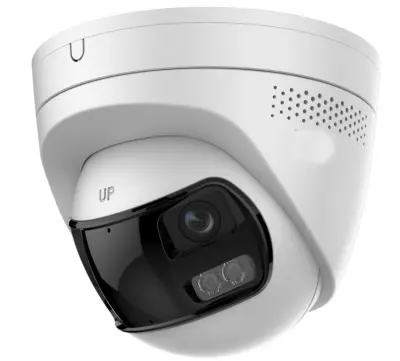
Higher resolution cameras require more storage capacity.
They also need stronger network infrastructure.
Proper installation and positioning are critical for 4K performance.
Lighting conditions play a major role in image quality.
A high-resolution camera will not perform well in poor lighting without proper technology.
Night vision and color-at-night features enhance resolution effectiveness.
The viewing angle also affects how resolution is perceived.
Wide-angle cameras spread resolution over a larger area.
The best security system often uses a mix of resolutions.
Not every camera needs to be 4K.
Critical areas benefit from higher resolution.
Secondary areas can be covered with standard resolution cameras.
This approach keeps costs reasonable while maximizing security.
Professional installers help determine the right resolution for each location.
The goal is clarity where it matters most.
Choosing the right resolution ensures long-term satisfaction with your system.
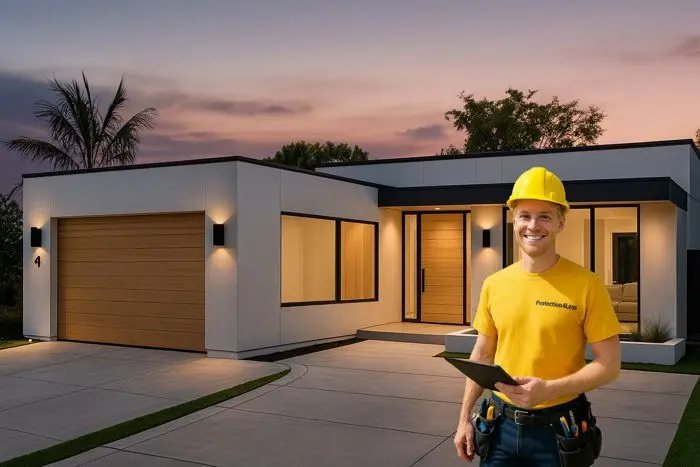
Choosing the Right Camera for Your Property
Selecting the right camera resolution and lens depends on the layout of the property and the areas that need to be monitored. For example, a wider lens can help cover entrances, driveways, and parking areas, while higher-resolution cameras may be needed when identifying faces, vehicles, or license plates from a distance.
Many property owners looking for security camera installation in Lakewood, professional surveillance system installation in Cypress, or security camera installation services in Baldwin Park choose systems that balance resolution and viewing angle to achieve both coverage and image clarity.
A professional evaluation of the property can help determine the best camera placement, resolution, and lens size to ensure reliable monitoring of important areas such as entrances, yards, and parking spaces.
Choosing the right camera resolution is important, but proper placement and privacy considerations also matter. Industry organizations such as the Security Industry Association publish guidelines that help businesses implement video surveillance responsibly.